October 20, 2026
Transforming undeveloped land into a functional, attractive, and usable property often requires more than clearing brush or removing a few trees. Whether you are preparing a residential building site, installing drainage systems, or developing commercial property, excavation is an essential part of the process. Professional excavation helps establish a stable foundation for future construction while addressing grading, drainage, and other site-specific requirements.
Hiring a local excavating service gives property owners access to specialized equipment and experienced operators who understand the challenges of working in the surrounding area. From initial site preparation to final grading, these professionals help turn challenging terrain into land that is ready for its intended purpose. Understanding the services available, the benefits of hiring locally, and what to expect during a project can help you make informed decisions about your property.
What Are Local Excavating Services?
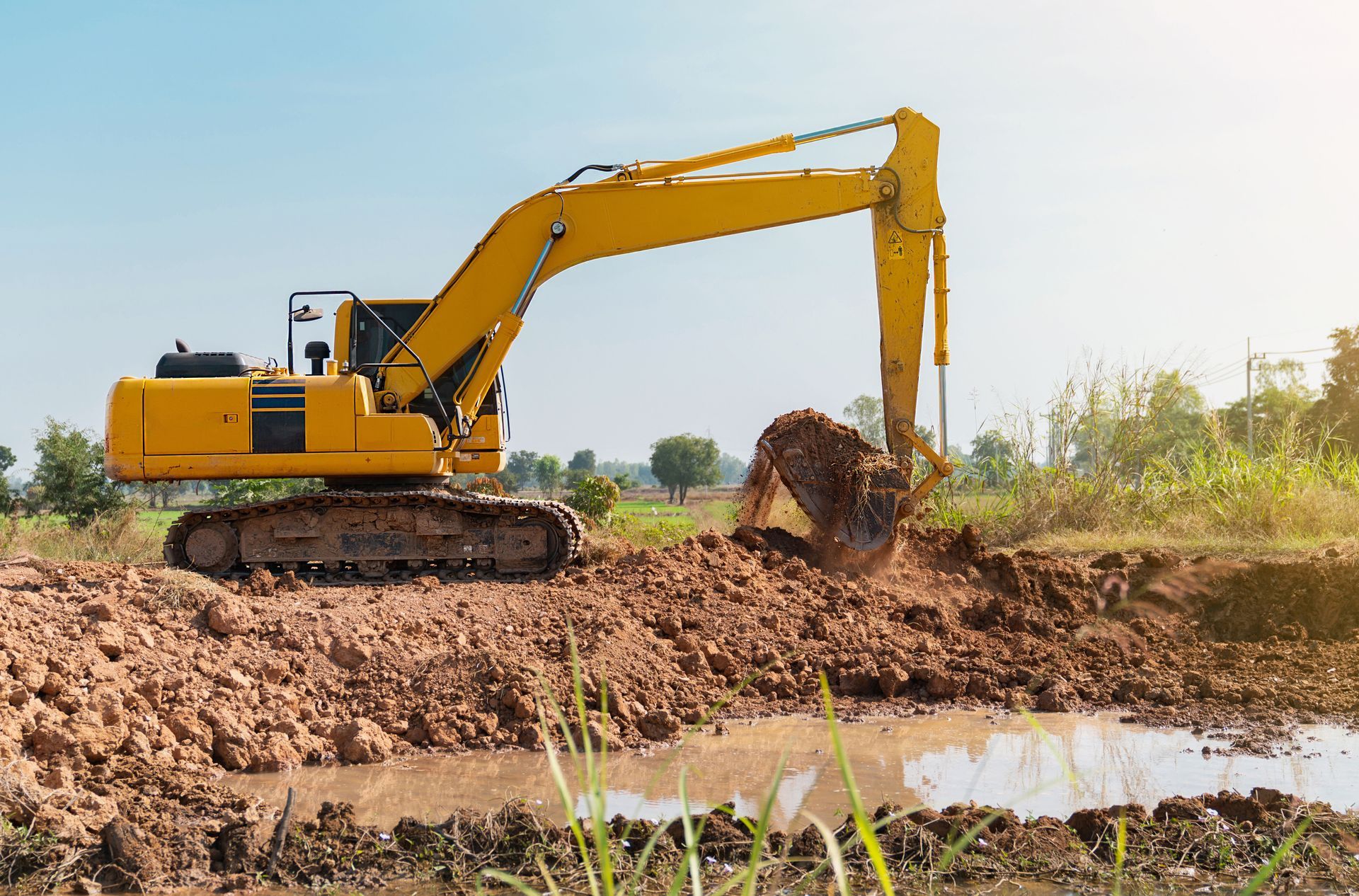
Local excavating services involve using specialized machinery and construction techniques to prepare, reshape, and develop land. Depending on the property's needs, excavation contractors may remove soil, rocks, vegetation, and other obstacles to create a suitable surface for construction or landscaping.
Common excavation projects include digging foundations, preparing building sites, installing underground utilities, creating trenches, developing driveways, and establishing drainage systems. Contractors may also perform land clearing, pond excavation, slope stabilization, and rough or finish grading. Each task requires careful planning to achieve the desired results without compromising the surrounding property.
For example, a homeowner planning to build a garage may need excavation to establish a level foundation and provide adequate drainage. A commercial developer, meanwhile, might require extensive earthmoving to prepare a large construction site. A local excavating service can evaluate the property's conditions and recommend the appropriate equipment and techniques for the project.
What Are the Benefits of Hiring a Local Excavating Service?
Choosing a contractor who regularly works in your area offers several advantages, particularly when projects involve unfamiliar terrain, changing weather conditions, or local construction requirements.
One significant benefit is familiarity with regional soil and ground conditions. Some properties have dense clay, rocky soil, steep slopes, or areas that remain saturated after heavy rainfall. Contractors who routinely work nearby may have experience with these challenges and understand which equipment and excavation methods are most appropriate.
Hiring locally can also reduce transportation costs and scheduling complications. Heavy machinery can be expensive to move, particularly when transporting larger excavators, bulldozers, or other specialized equipment. Working with a nearby contractor may help limit mobilization expenses and make it easier to coordinate project schedules.
Knowledge of local regulations is another advantage. Excavation projects may require permits, inspections, utility notifications, erosion controls, or compliance with stormwater management requirements. An experienced local excavating service can help identify relevant requirements and coordinate the necessary steps before work begins.
Communication may also be easier when your contractor operates nearby. Site visits, progress discussions, and follow-up work can often be coordinated more conveniently. If unexpected conditions arise, a contractor familiar with the area may be better positioned to evaluate the problem and recommend practical solutions.
How Do You Choose the Right Local Excavating Service?
Selecting an excavation contractor requires more than comparing estimates. Property owners should evaluate experience, qualifications, equipment, safety practices, and the contractor's ability to complete the specific work required.
Start by researching customer reviews and asking for references from previous clients. Look for consistent feedback about communication, reliability, workmanship, and adherence to project timelines. Photographs of completed projects can also help demonstrate whether a contractor has experience with work similar to yours.
Next, verify the contractor's licensing, insurance, and any applicable certifications. Requirements vary by location and project type, so confirm that the company meets the relevant standards. Appropriate liability coverage and workers' compensation protection can also help reduce financial risks associated with construction work.
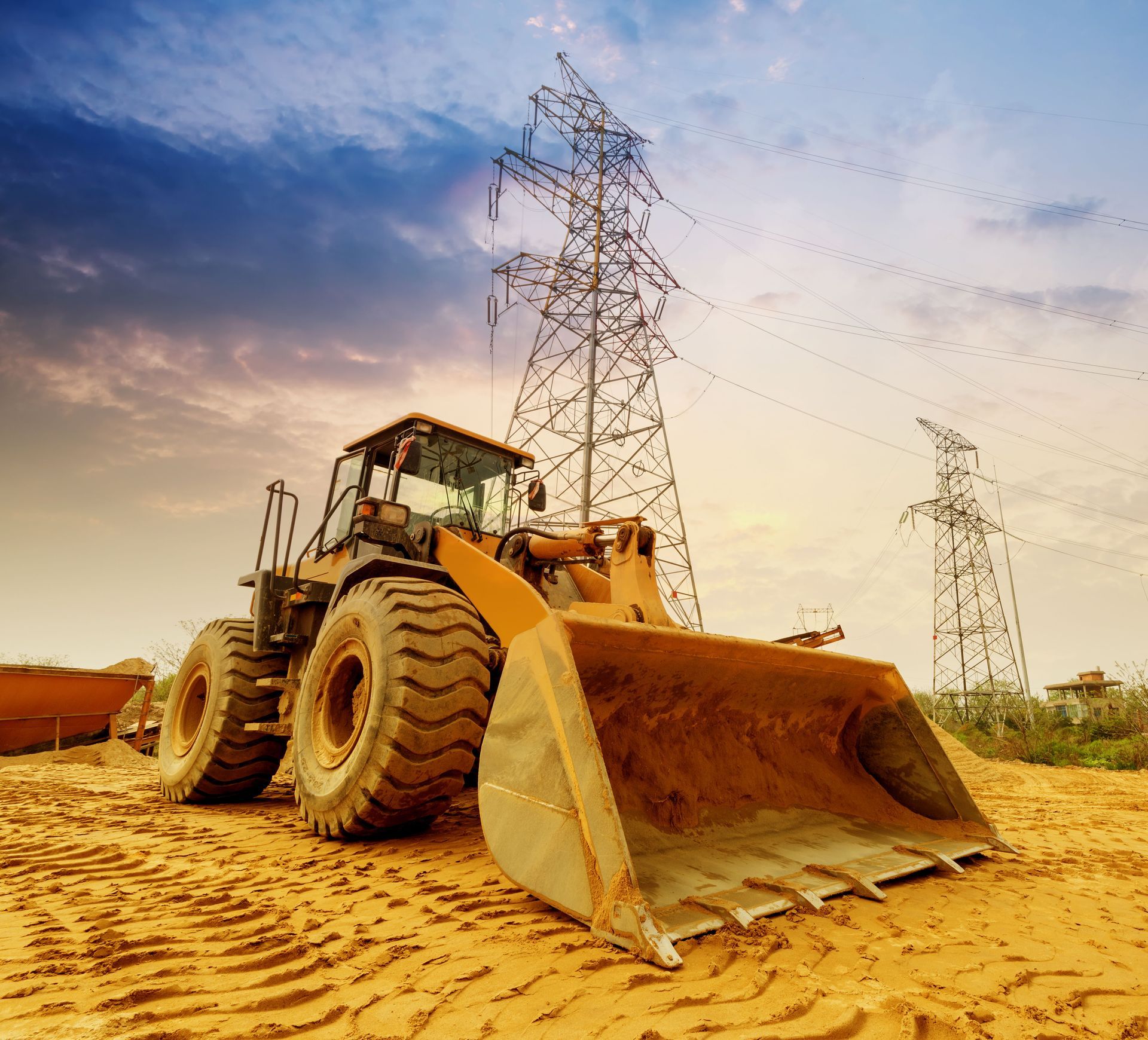
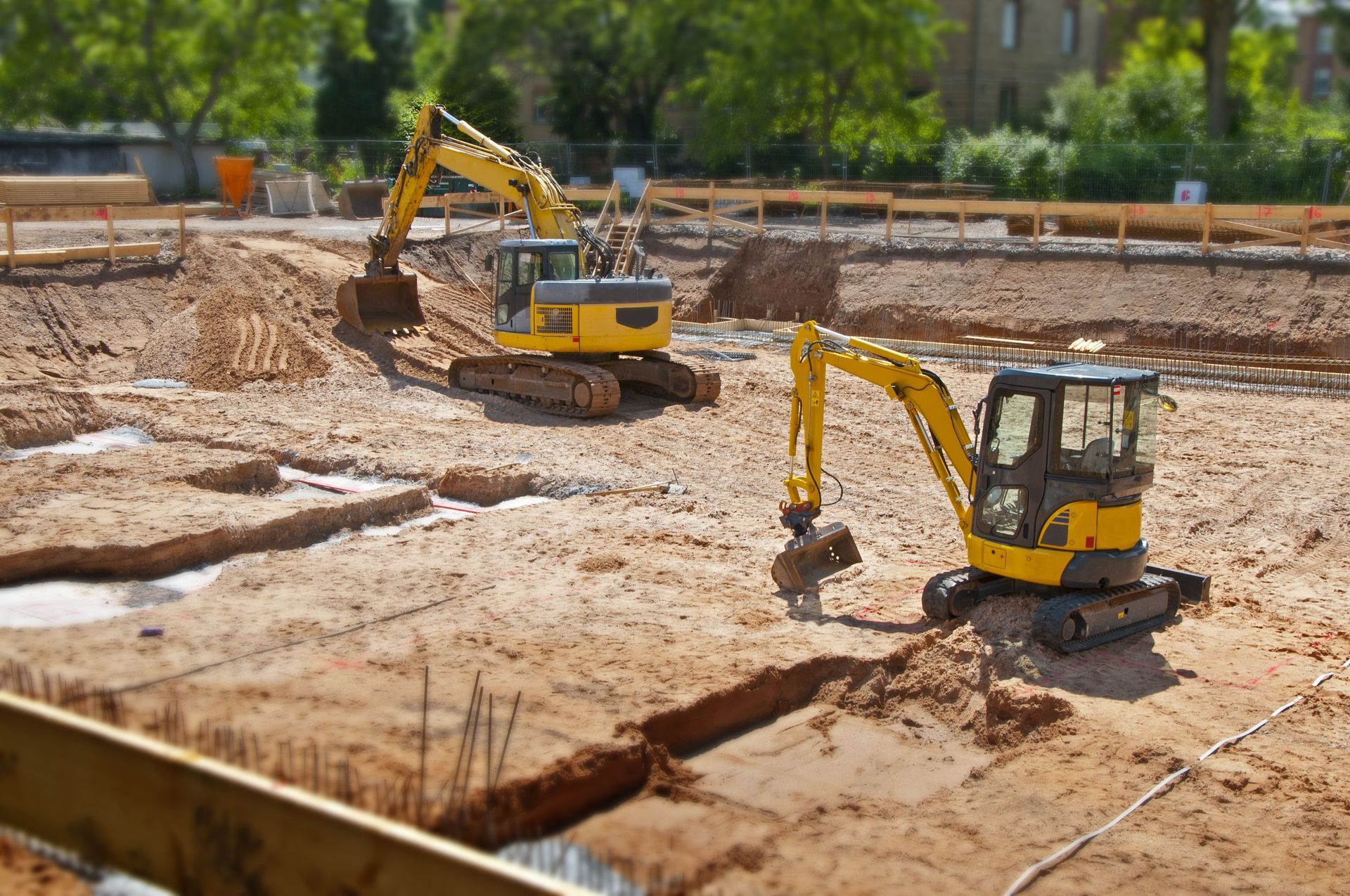
Equipment is another important consideration. Small residential projects may require compact excavators and skid-steer loaders, while larger developments might call for bulldozers, larger excavators, and hauling trucks. A qualified contractor should have access to suitable machinery and know how to operate it safely and efficiently.
Request a detailed written estimate that identifies the work included, anticipated costs, project schedule, and potential additional expenses.
What Should You Expect During the Excavation Process?
Although every project is different, professional excavation generally follows several stages, beginning with site evaluation and ending with inspection and cleanup.
The first stage involves assessing the property. The contractor examines terrain, soil conditions, access points, existing structures, drainage patterns, and potential obstacles. Construction plans or surveys may help establish excavation depths, elevations, boundaries, and other requirements.
Before digging begins, the necessary permits and utility notifications must be addressed. Underground electrical lines, water pipes, gas lines, and communications cables can create serious hazards if damaged. In the United States, property owners and contractors should follow applicable utility-location procedures, including contacting 811 before excavation where required.
Once the site is prepared, the contractor establishes access routes, equipment staging areas, and appropriate safety measures. Workers may install erosion controls or protective barriers to help manage runoff and keep unauthorized individuals away from operating machinery.
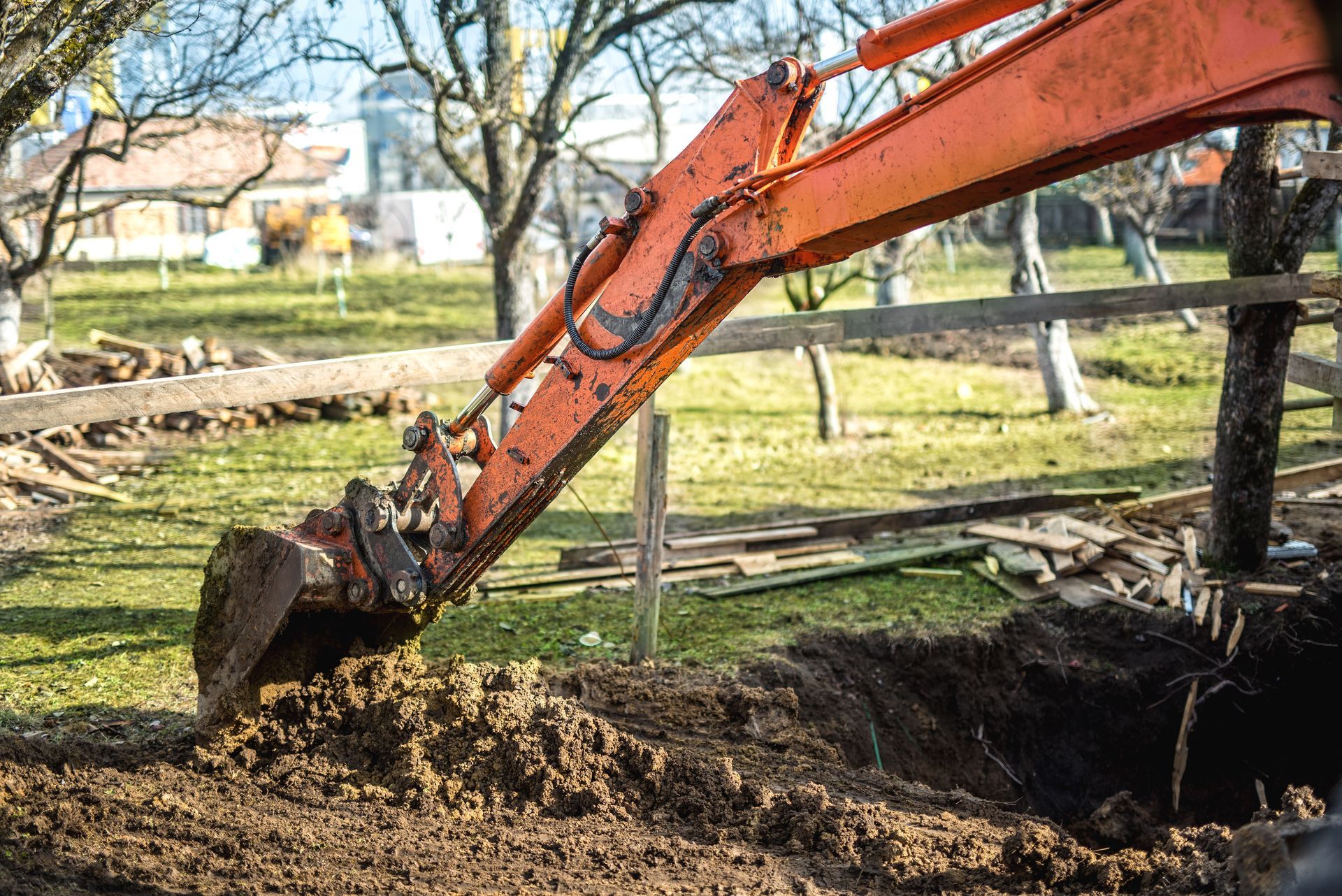
The excavation itself involves removing or moving soil according to the project specifications. Operators may dig foundations, create trenches, cut into slopes, or reshape uneven ground. A
local excavating service may also transport excess material, bring in suitable fill, and compact soil to achieve the required conditions.
Ground vibration is another consideration, particularly when blasting is necessary to remove solid rock. According to WifiTalents.com, ground vibrations caused by blasting during excavation can be felt as far as two miles away. This illustrates why contractors must evaluate site conditions, nearby structures, and potential effects on surrounding properties before selecting an excavation method.
What Challenges Can Occur During Local Excavating Projects?
Excavation projects can encounter unexpected obstacles, even when the original plans appear straightforward. Recognizing common challenges helps property owners understand why preparation and professional judgment matter.
Difficult terrain is one frequent issue. Steep slopes, exposed bedrock, loose soil, and waterlogged ground can make excavation more complicated. These conditions may require specialized machinery, additional stabilization measures, or changes to the original approach. A thorough site assessment helps identify potential problems before they significantly affect the schedule or budget.
Weather can create further complications. Heavy rain may cause erosion, muddy access routes, standing water, and unstable excavation walls. In colder climates, frozen ground can also increase the difficulty of moving soil. Contractors can reduce these risks through appropriate scheduling, drainage measures, erosion controls, and contingency planning.
Permitting and utility conflicts can delay projects as well. Missing approvals or unexpected underground infrastructure may require work to stop until the issue is resolved. Confirming permit requirements, reviewing available site plans, and arranging utility marking before excavation begins can help prevent avoidable interruptions.
Budget overruns are another concern. Hidden rock formations, contaminated soil, groundwater, and the need to haul away additional material can increase expenses beyond the initial estimate.
Transform Your Property With Professional Excavation
Successful land development begins with preparing the property for what comes next. Whether you are building a home, improving drainage, installing utilities, or developing commercial space, excavation provides the groundwork for a functional and stable result.
With the right planning and professional support, challenging terrain can become a valuable asset. Investing in quality excavation helps create a solid starting point for construction, landscaping, and long-term property improvements. If you need reliable excavating services, reach out to the team at Ostrom Contracting today!