June 12, 2026
Every iconic skyscraper and neighborhood begins not with steel beams, but with the transformation of raw earth. Site preparation is the critical phase where architectural blueprints confront the unpredictable realities of nature. Failing to stabilize and secure the ground leads to catastrophic structural failures, costly project delays, and massive budget overruns. To mitigate these risks, project managers rely on technical expertise to transition raw land into a highly engineered canvas. Professional excavation contractors serve as the essential architects of this phase, utilizing advanced earthmoving techniques to guarantee that the structure stands on a safe, predictable, and enduring base.
Clearing the Land
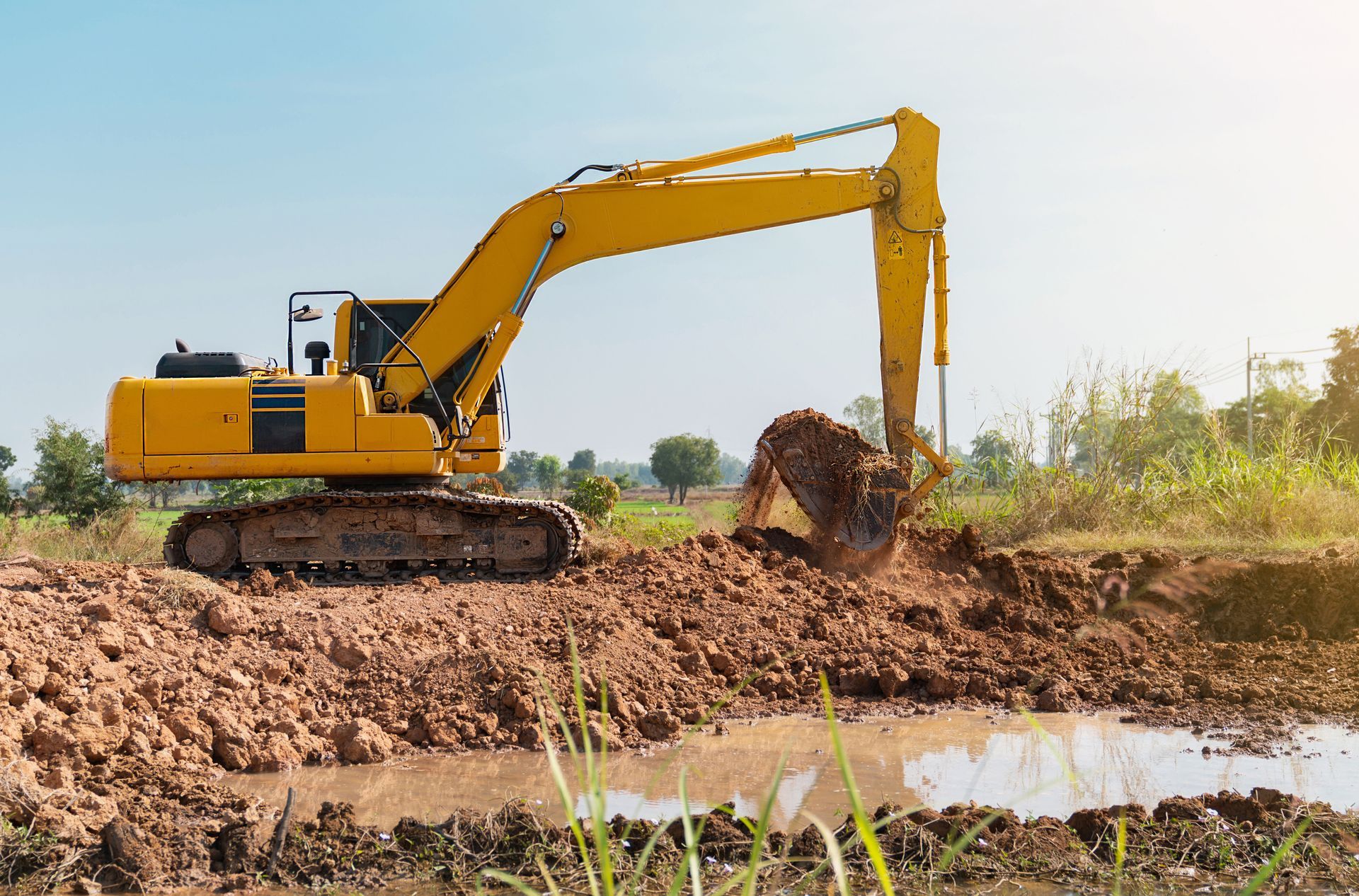
The initial phase of any construction project requires a blank slate, demanding the systematic removal of all natural and manmade obstacles occupying the future structural footprint. Before foundations can be poured or utility lines mapped, the surface must be stripped of dense vegetation, boulders, and abandoned structures. This phase ensures that subsequent earthmoving machinery can navigate the terrain safely without encountering unforeseen surface hazards. Experienced excavation contractors oversee this critical deployment, coordinating large-scale operations to transform overgrown properties into clean, workable zones ready for deeper structural development.
Looking closer at the operational mechanics, this process involves deploying bulldozers, root rakes, and industrial wood chippers to eliminate surface obstacles. Operators carefully distinguish between topsoil preserved for future landscaping and subsoil prepared for immediate structural loads. This step requires a keen eye for environmental preservation, as teams must protect specific trees or natural runoff zones mandated by local conservation ordinances. Crucially, removing deep-seated root systems prevents them from decomposing underneath a future concrete slab and causing localized ground sinking.
Assessing Soil Conditions
Beneath the surface of every construction site lies a complex matrix of sand, clay, silt, and rock, each possessing distinct load-bearing capacities that dictate building behavior. Failing to understand this unique geological composition leads to uneven settling, structural shifting, and severe foundational cracking once the building weight is applied. Analyzing the subterranean environment informs engineers about the exact types of structural supports required. Qualified excavation contractors work closely with geotechnical engineers during this exploratory phase, digging test pits and extracting core samples to evaluate how the earth reacts under pressure.
In practical application, evaluating underground elements requires investigating water table levels and the plasticity index of the onsite clay layers. If the digging team uncovers highly expansive clay, they must formulate a plan to mitigate its tendency to swell when wet and shrink when dry, which easily destroys concrete foundations. Depending on scientific data gathered from subterranean test pits, the team determines whether the existing dirt needs chemical stabilization or complete replacement with engineered structural fill to create an unyielding foundation base.
Excavating the Foundation
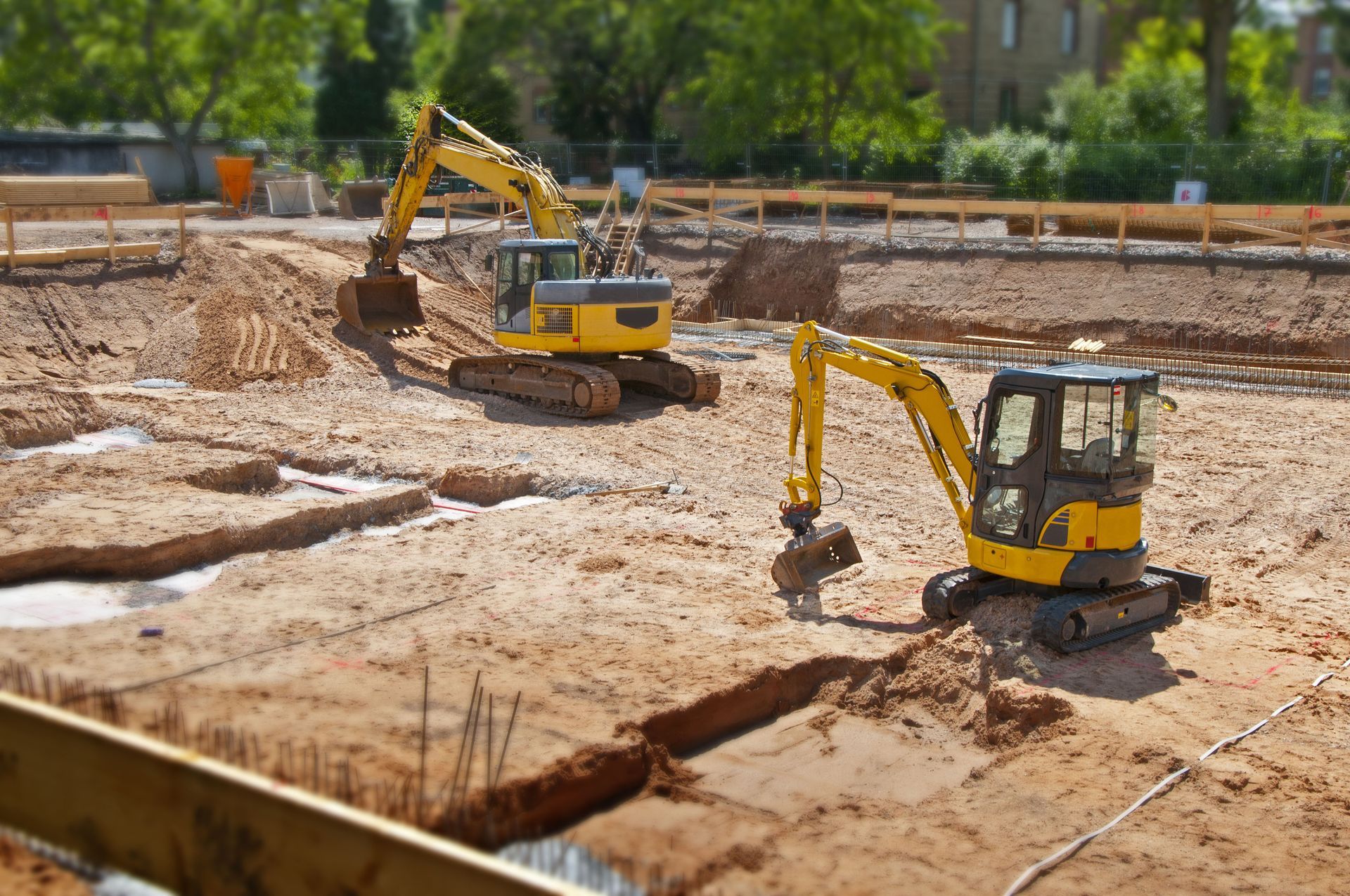
Once the ground is cleared and subterranean qualities are understood, the physical footprint of the structure must be precisely carved into the earth to receive footings and basement walls. This phase represents the literal transition from abstract architectural plans to physical reality, demanding exceptional spatial accuracy. Every scoop of earth must align perfectly with the engineering grid to ensure the building weight is distributed evenly across load-bearing strata. Experienced excavation contractors utilize high-tech GPS guided machinery and advanced laser levels to execute these deep cuts, transforming blueprints into precise geometric voids.
The technical execution involves a calculated sequence of digging, shoring, and benching to prevent trench collapses while reaching exact subgrade elevations. According to This Old House, constructing a 1,000-square-foot basement means excavating about 300 cubic yards of dirt, illustrating the sheer volume of material managed. Utilizing heavy excavators, operators dig out basement levels while verifying depth measurements to avoid over-excavation, which loosens the natural integrity of undisturbed earth. The team also establishes proper dewatering systems, using submersible pumps to keep the pit free of groundwater during concrete pouring.
Installing Utility Trenches
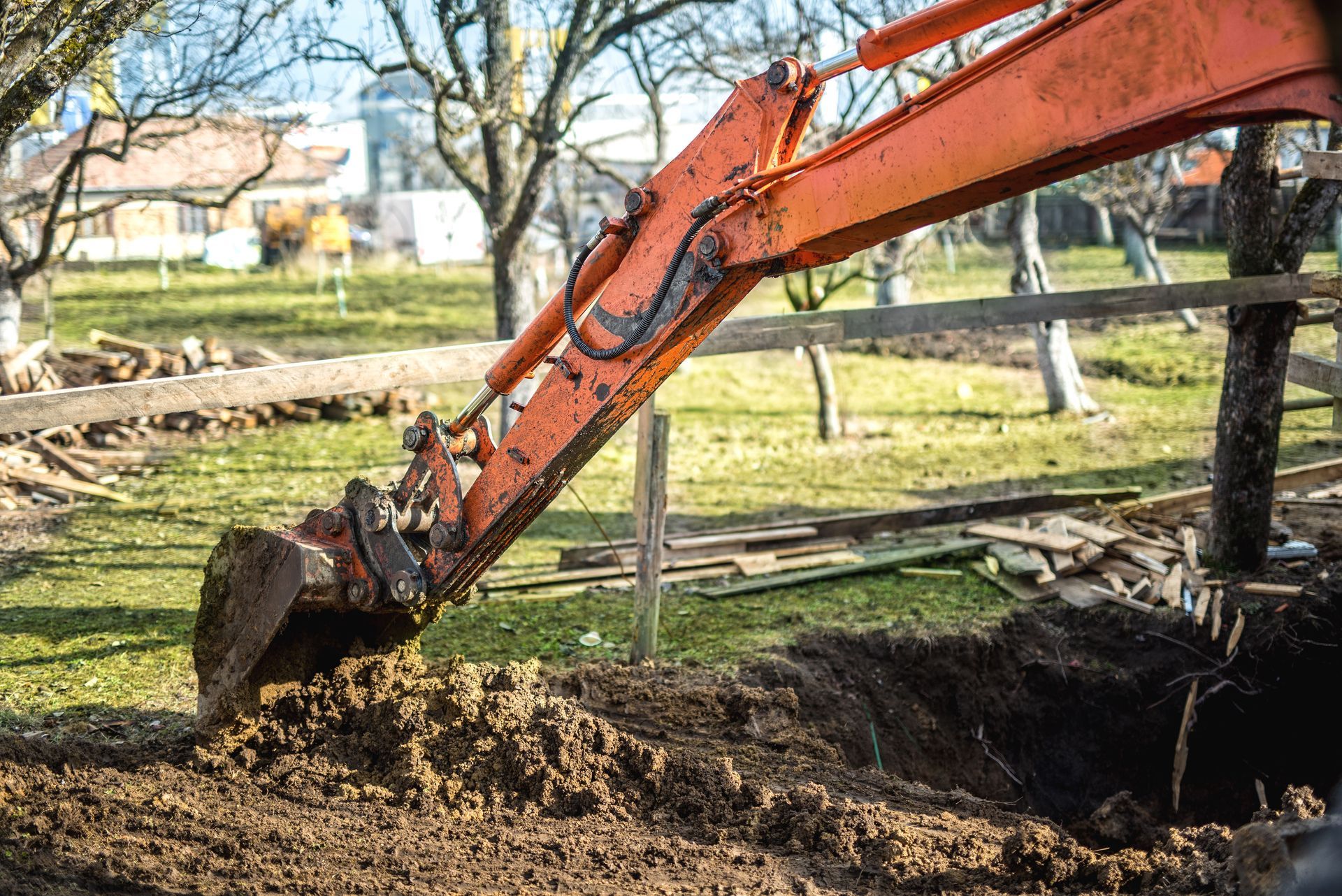
A modern building requires a complex network of subterranean lifelines to supply fresh water, channel wastewater, route electricity, and connect telecommunications. Integrating these systems requires strategic planning before vertical construction blocks underground access. These pathways must be dug at precise depths and angles to ensure gravity-fed systems function correctly and public utilities remain protected from seasonal freeze-thaw cycles. Specialized excavation contractors manage this intricate underground puzzle, digging long, linear channels that seamlessly link the future building to municipal infrastructure networks.
Precision involves adhering to regulatory depth requirements and maintaining exact slopes, particularly for sanitary sewer lines relying entirely on gravity. Operators use compact excavators to cut narrow paths, backfilling the trench bottom with a smooth bed of gravel to protect pipes from sharp rocks and shifting ground pressure. Moreover, the crew must coordinate the spatial separation between parallel water and sewer lines to prevent cross-contamination, sealing and marking each line with bright tracer wire so future utility workers can easily locate them from the surface.
Grading the Terrain
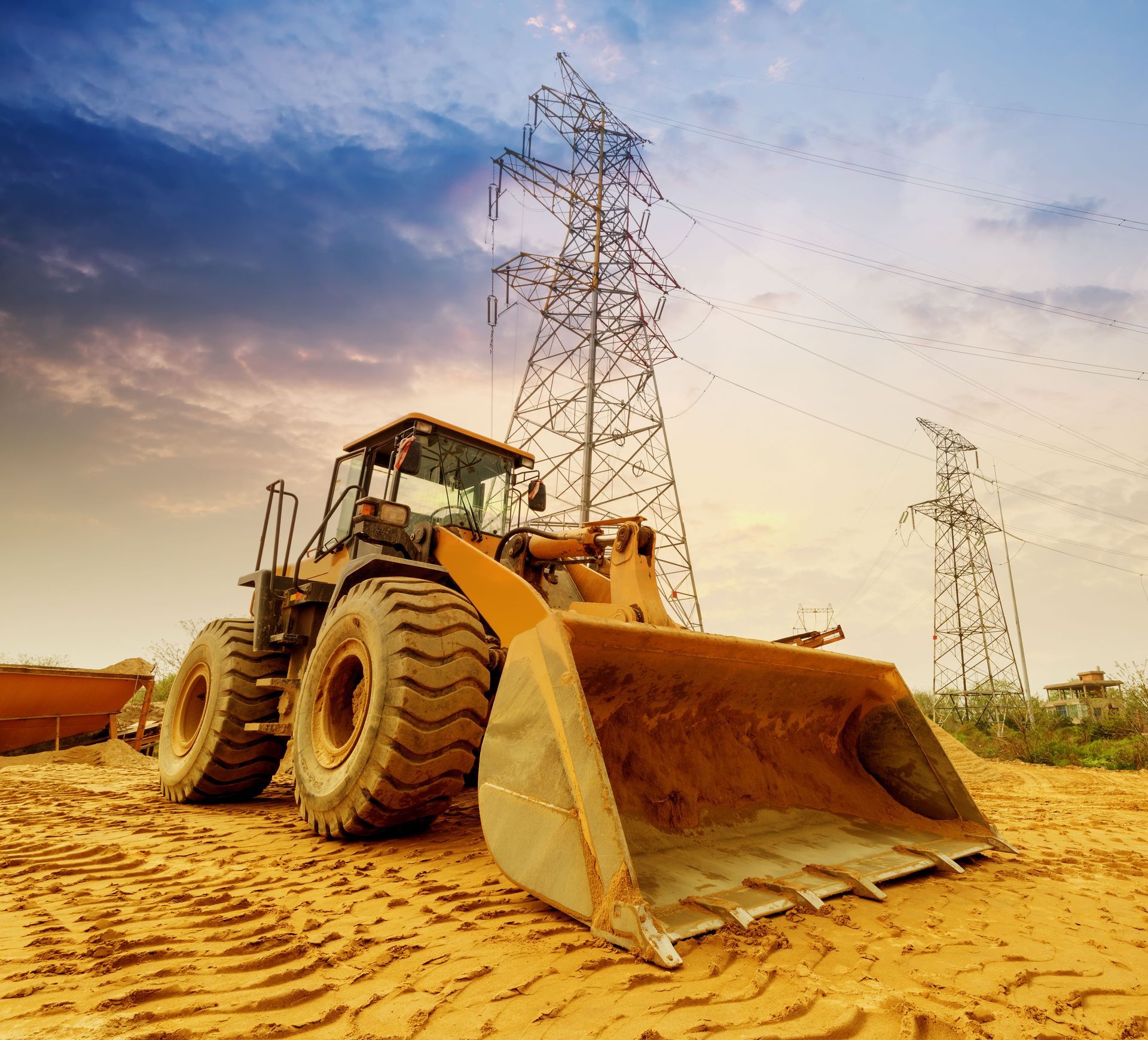
The long-term survivability of any structure depends heavily on how surface water behaves around it during heavy rainstorms and seasonal snowmelts. Sculpting the surrounding land to control water flow prevents pooling against foundation walls, eliminates soil erosion, and protects neighboring properties from unwanted runoff. This macro-shaping ensures the final landscape is structurally functional, diverting precipitation away from vulnerable structural elements. Professional excavation contractors utilize heavy earthmoving machinery to reshape the contours of the entire site, turning flat or chaotic landscapes into highly engineered drainage ecosystems.
When executing the final phases, operators deploy sophisticated skid steers, motor graders, and dual-slope lasers to establish a precise percentage of slope away from concrete foundations. This meticulous process involves moving massive volumes of subsoil to create swales, retention ponds, and slopes that guide storm runoff directly into municipal storm sewers. By achieving a perfect rough grade, the team guarantees that when final topsoil and landscaping are applied, the entire property sheds water flawlessly, keeping basements dry and preventing future soil saturation issues.
Ensuring Safety Compliance
Working with massive earthmoving machinery and digging deep into the earth presents inherent workplace hazards, making strict adherence to regulatory protocols an absolute necessity. Without rigorous safety measures, open excavations run immediate risks of cave-ins, equipment accidents, and catastrophic contact with unmapped underground power lines. Maintaining a secure environment requires continuous monitoring, specialized safety gear, and a deep understanding of labor laws designed to protect workers and the public. Responsible excavation contractors prioritize risk mitigation above all else, embedding safety cultures into daily operations to ensure injury-free site preparation.
The practical side of this protocol means strictly enforcing safety regulations, which includes implementing engineered trench shielding, shoring systems, or sloping techniques for deep cuts. Before a track shoe moves, the management team contacts utility notification centers to have existing underground lines marked, preventing dangerous strikes during digging operations. To maintain a secure perimeter, the onsite safety supervisor conducts daily inspections of open trenches to check for soil fissures, water accumulation, or shifting ground, halting operations immediately if any environmental factor threatens active workspace stability.
Successful construction projects are never built from the ground up; they are built from the subgrade up, relying entirely on the precision of initial earthworks. Every phase of site preparation, from the initial removal of stubborn vegetation to the final, laser-verified slope of the soil, dictates the longevity and structural integrity of the final building. Cutting corners during these early subterranean phases creates a domino effect of structural vulnerabilities that can plague a property owner for decades. By investing in highly skilled teams, developers secure peace of mind, knowing that their investments are anchored to a flawlessly engineered foundation prepared to withstand nature. Contact us at Ostrom Contracting to bring unmatched precision and expertise to your next building project.