December 1, 2025
Site preparation is one of the most important phases of any construction project, as it sets the stage for all future work. Proper preparation creates a level, stable, and hazard-free environment that supports safety, efficiency, and structural integrity. Excavating services form the backbone of this process, supplying the equipment, expertise, and planning required to transform raw land into a build-ready site. From removing soil to assessing terrain conditions, excavating services lay the groundwork for durable and successful construction outcomes.
1. Understanding Excavation Services
1.1 Definition and Scope of Excavation
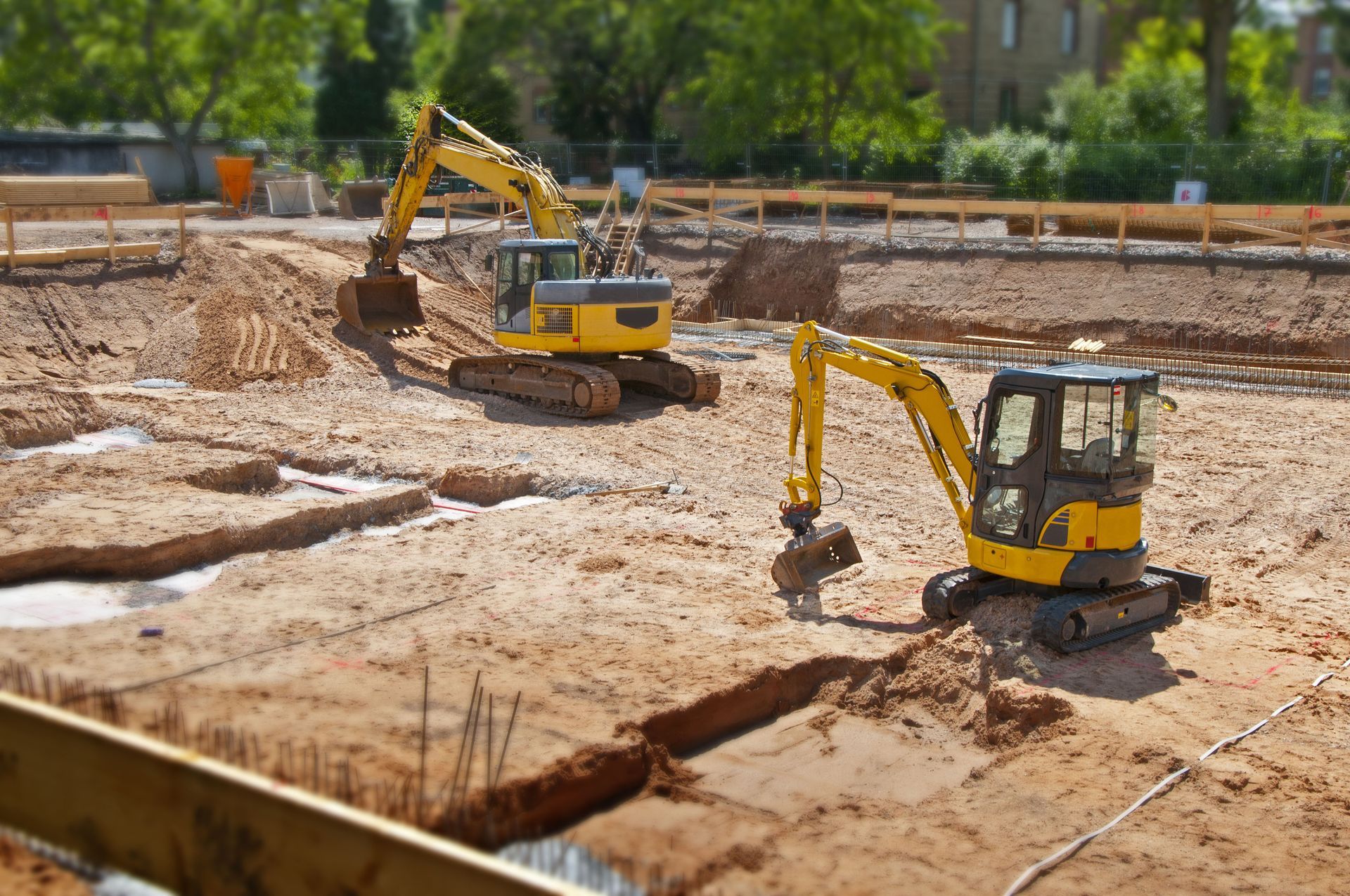
Excavation involves removing or relocating earth, rock, and debris through manual labor, machinery, or controlled explosives. As a major component of earthwork, it includes tasks such as site preparation, trenching, grading, and shaping the land to meet engineering demands. Contractors evaluate terrain, soil type, and project goals to choose appropriate excavation methods that balance efficiency and safety. Because excavating services directly influence every phase of construction, they require careful planning and precision to avoid errors and delays.
1.2 Types of Excavation: Residential vs. Commercial
Residential excavation typically includes work like digging basements, leveling yards, installing drainage, or preparing driveways. These projects rely on accuracy and gentle integration with surrounding structures and landscaping. Commercial excavation, however, takes place on significantly larger sites, often tied to substantial public or private development initiatives. According to The Business Research Company, government infrastructure initiatives significantly stimulate demand for excavation, with the U.S. Department of Transportation investing over $120 billion in Federal Highway projects and billions more in public transport, airports, and waterways. These large-scale investments highlight why excavating services are essential for meeting growing infrastructure needs across the country.
Commercial work must also adhere to strict environmental and regulatory guidelines while supporting large foundations and complex site requirements. Although residential and commercial excavation differ in scale, both rely heavily on excavating services and skilled operators to handle unique site challenges effectively.
1.3 Key Equipment Used in Excavation
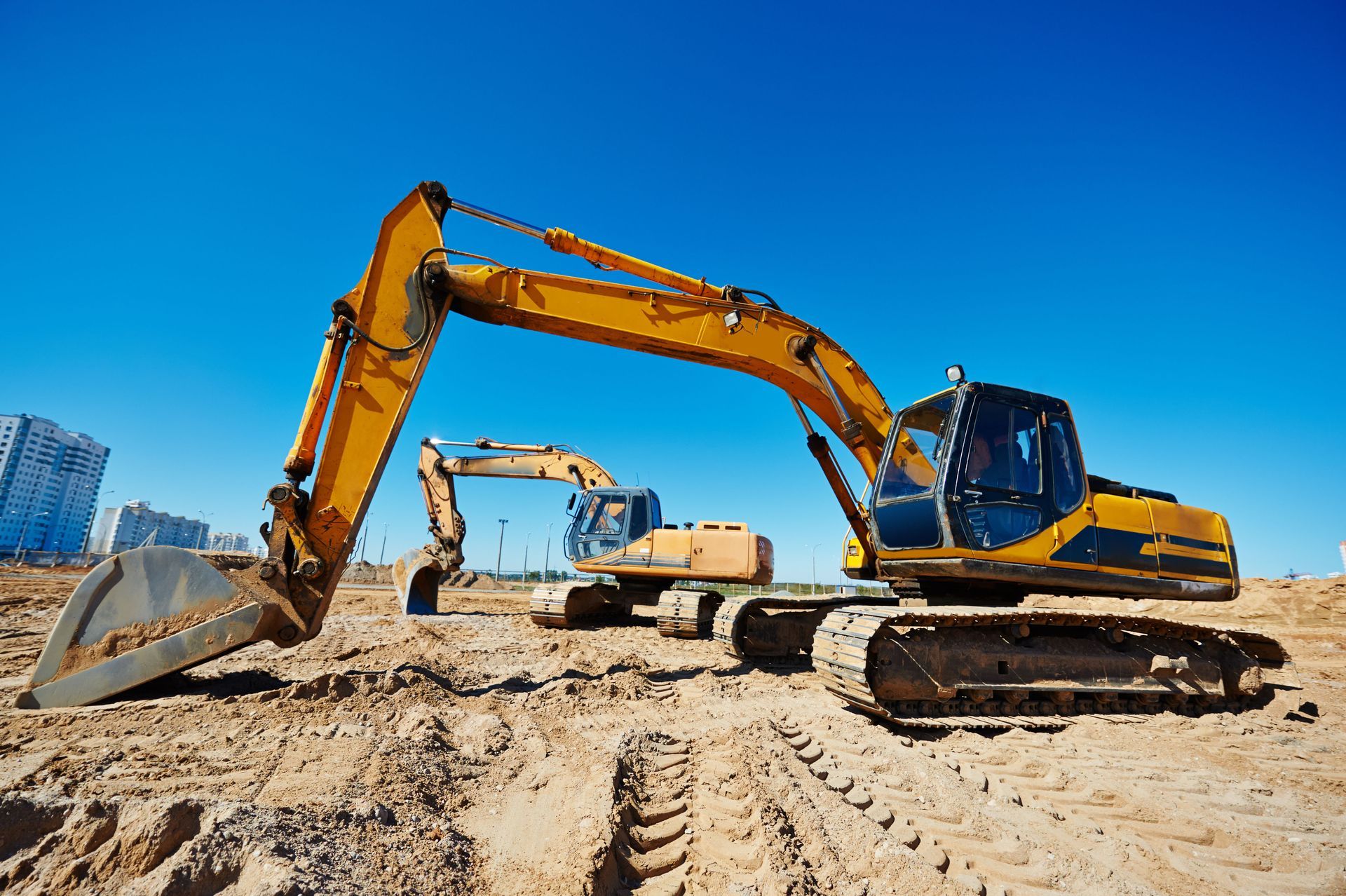
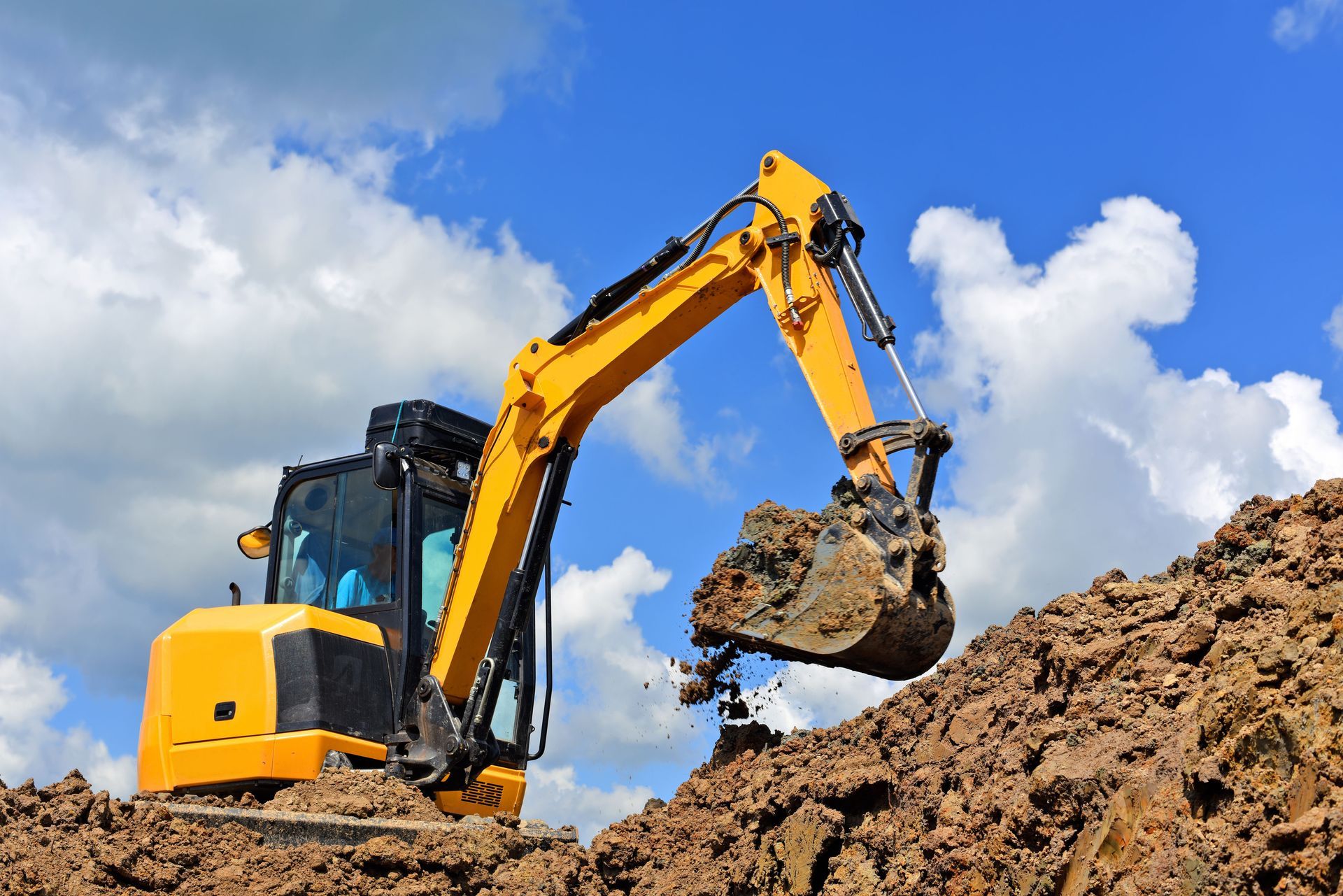
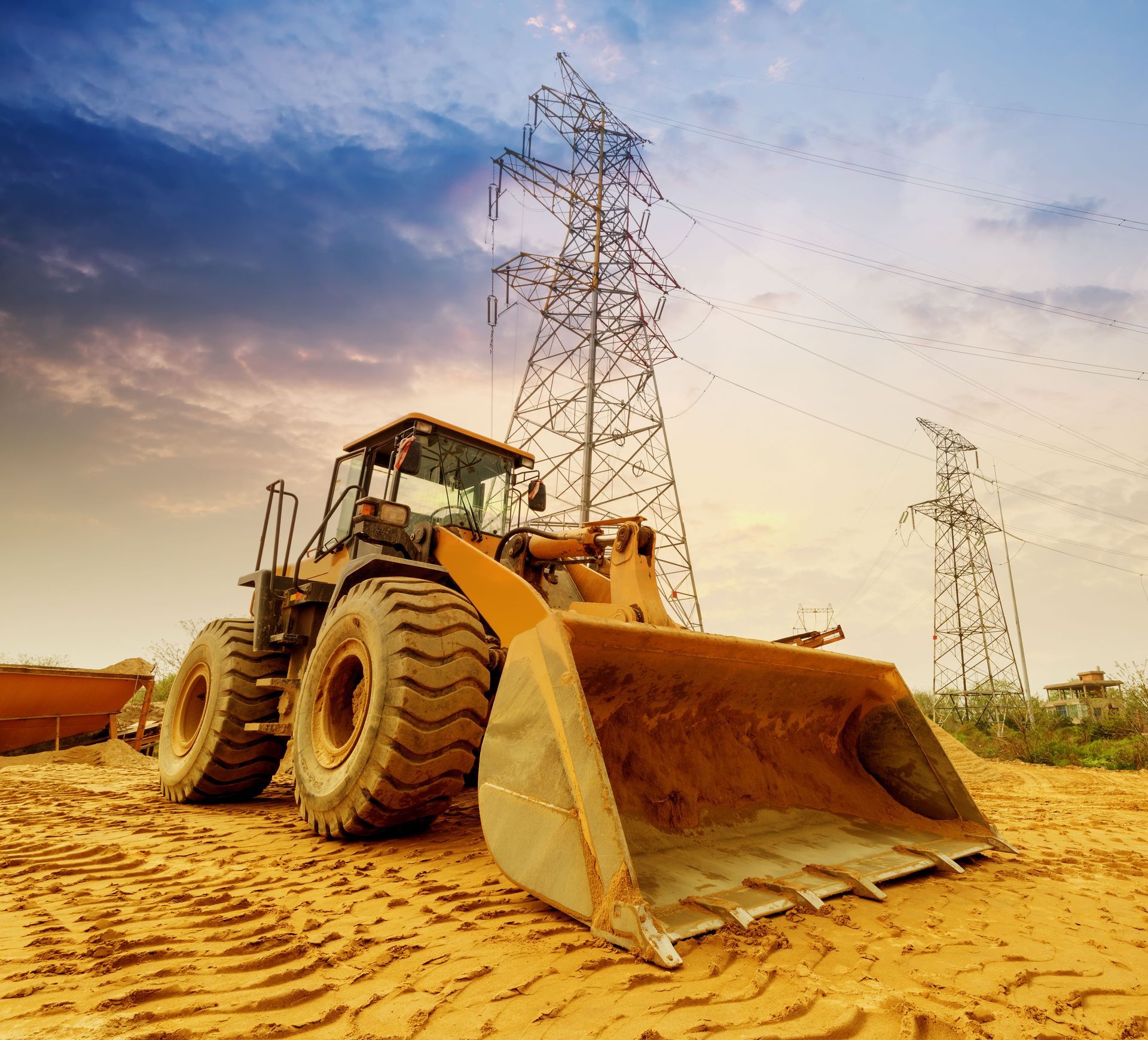
Excavation relies on machinery designed for durability and performance. Backhoes offer versatility for digging and transporting soil. Bulldozers push significant volumes of earth to level terrain. Excavators, equipped with hydraulic arms, excel at deep digging for foundations, trenches, and demolition tasks. Additional equipment—such as skid steers, graders, and compactors—supports fine grading, soil stabilization, and surface finishing. Each machine plays a specific role, and excavating services incorporate these tools strategically to complete projects safely and efficiently.
1.4 Safety Considerations and Regulations
Safety is essential in excavation because of the risks associated with trenching, heavy machinery, and unstable soil. Contractors follow OSHA standards that require protective equipment, formal training, trench inspections, and safety systems to prevent cave-ins. Shoring and bracing support trench walls, while dewatering helps maintain soil stability. Environmental safety is equally important. Regulations guide proper disposal of debris and contamination prevention to protect ecosystems. Through strict adherence to safety and environmental standards, excavating services preserve both worker safety and project integrity.
1.5 Importance of Experienced Personnel
Experienced excavation personnel bring essential technical knowledge and problem-solving skills. They evaluate soil conditions, interpret topographic information, and adapt quickly to changing site demands. Their ability to operate machinery with precision reduces risk and prevents delays. Skilled professionals also communicate effectively with engineers, architects, and contractors to maintain alignment throughout the project. Excavating services rely on knowledgeable teams to uphold quality, safety, and project efficiency from beginning to end.
2. Site Assessment and Surveying
2.1 Initial Site Inspection
Before excavation begins, professionals conduct a detailed inspection of the land to assess vegetation, terrain, accessibility, and potential obstacles. This evaluation identifies any structures, utilities, or features that may impact excavation planning. Early collaboration with project managers, engineers, and architects helps align goals and ensures that challenges are addressed proactively. Excavating services use these insights to develop an accurate and effective preparation strategy tailored to each site.
2.2 Analyzing Soil Composition
Soil composition affects every component of construction, from foundation design to drainage systems. Contractors test soil for stability, density, and moisture content using core sampling and laboratory analysis. Soil high in clay may require drainage solutions, while loose sandy soil may demand compaction or reinforcement. A thorough understanding of soil properties reduces the risk of settling, erosion, or structural failure. Excavating services apply this information to prevent costly mid-project revisions and support long-term site stability.
2.3 Topographical Surveying Techniques
Topographical surveying maps the land’s natural and man-made features to guide excavation strategy. Using GPS systems, total stations, and advanced digital tools, surveyors measure elevation changes, slopes, and drainage patterns. These measurements determine how much soil must be cut or filled and ensure the site design aligns with its natural contours. Excavating services depend on accurate surveying to support proper grading, minimize environmental disturbances, and smoothly integrate utilities and structures.
2.4 Identifying Underground Utilities
Locating underground utilities is critical to prevent property damage, service interruptions, and safety hazards. Water lines, gas pipes, electrical conduits, and communication cables can lie just inches below the surface. Contractors use utility maps, electromagnetic locating devices, and ground-penetrating radar to detect buried infrastructure. Working closely with utility providers adds another layer of verification. Excavating services prioritize utility identification to protect workers, reduce delays, and maintain safe excavation conditions.
2.5 Creating a Site Preparation Plan
After assessing the site, contractors develop a detailed preparation plan outlining timelines, tasks, equipment requirements, and risk-management strategies. The plan sequences excavation activities logically to maximize efficiency. It also fosters collaboration among all involved parties, ensuring everyone understands the project objectives. Excavating services depend on well-designed preparation plans to guide the excavation phase and establish a reliable foundation for subsequent construction.
3. Clearing and Grubbing
3.1 Removal of Vegetation and Debris
Clearing and grubbing involve removing trees, brush, roots, stumps, and debris that interfere with excavation. Using bulldozers, mulchers, and brush cutters, crews quickly open the site for further work. Removing organic material prevents future soil settling or instability caused by decomposing roots. Excavating services often recycle cleared vegetation or preserve select features when required for environmental reasons. This approach balances operational efficiency with ecological responsibility.
3.2 Techniques for Handling Hazardous Materials
Sometimes, clearing reveals hazardous substances such as contaminated soil, asbestos, or lead-based materials from previous site uses. These hazards require strict containment and disposal procedures. Professionals use specialized protective gear, follow environmental regulations, and coordinate with certified disposal services to manage hazardous materials safely. Excavating services conduct environmental assessments early to identify and resolve hazards before work progresses.
3.3 Land Grading Fundamentals
Grading shapes the land to meet engineering and architectural requirements. This process adjusts slopes, redistributes soil, and establishes the proper elevation for foundations and drainage. Contractors use graders, bulldozers, and laser-guided equipment to achieve precise results. Proper grading promotes water runoff, prevents pooling, and enhances site stability. Excavating services complete grading with attention to both structural needs and long-term land performance.
3.4 Addressing Erosion Control
Erosion control prevents soil washout and protects surrounding environments during excavation. Measures such as silt fencing, sediment traps, wattles, and temporary vegetation help retain loose soil. Slopes may be stabilized using blankets or geotextiles. Excavating services incorporate erosion control into every phase of preparation to maintain compliance, protect waterways, and avoid costly environmental damage.
3.5 Legal and Environmental Compliance
Excavating services must follow zoning laws, environmental rules, and industry codes that govern excavation and land disturbance. These requirements help prevent pollution, protect ecosystems, and reduce risks to nearby communities. Contractors secure necessary permits, coordinate with inspectors, and implement sustainable waste-management practices. Compliance protects both the project and the surrounding environment.
Excavating services shape the foundation of every successful construction project. Through thorough site assessment, advanced equipment, skilled operators, and strict safety practices, these services transform raw land into a stable construction site. From clearing vegetation to grading soil and managing complex site conditions, each step ensures the project begins on solid ground. With experienced excavating services guiding the process, property owners can move forward confidently, knowing their site is prepared for long-term stability and structural success. Contact Ostrom Contracting today to learn more.